Your site ain't for everybody. Here's why that works.
Restricted access builds demand for independent brands. Learn from Corteiz's strategy and how Labeld Studio lets any brand create password-protected storefronts.

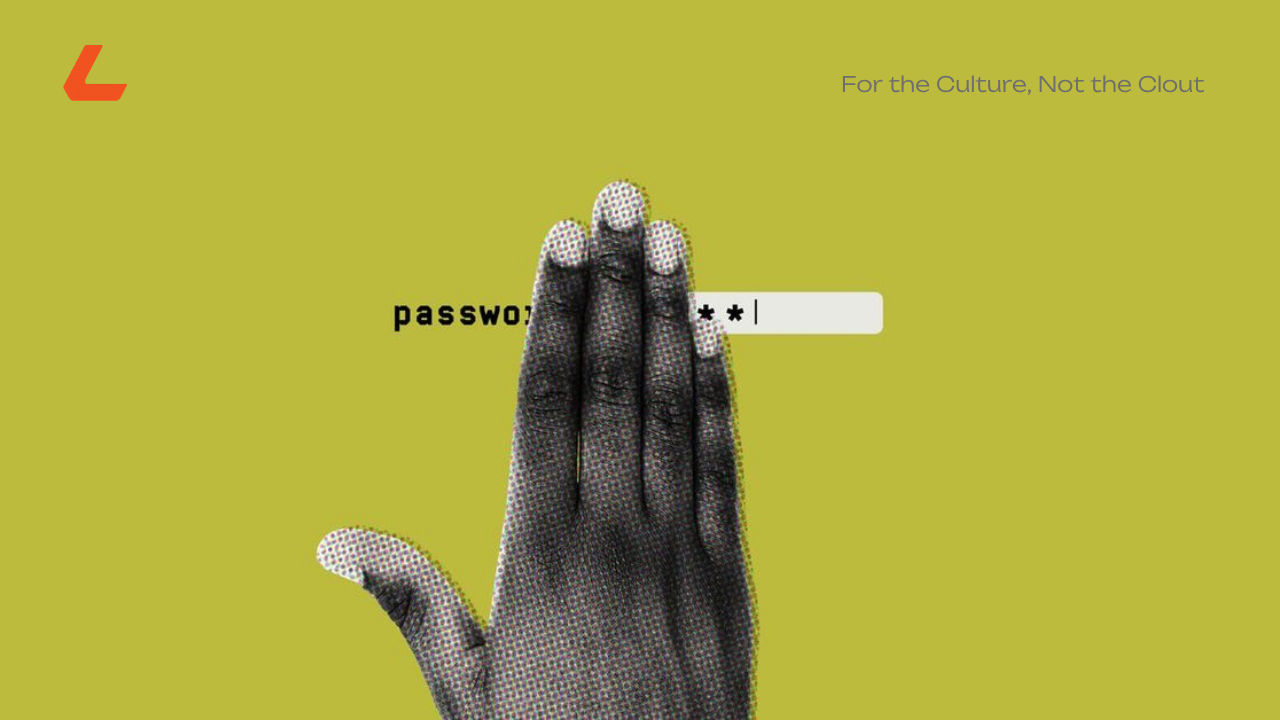
Corteiz doesn't have a normal website. It has a locked door. You need a password to get in, the password only shows up if you're paying attention to the right Instagram story or tweet, and by the time you're in, half the drop might already be gone. Clint419, the brand's British-Nigerian founder, built the entire brand on that mechanic since 2017, and it's now one of the most studied marketing moves in streetwear. Palace did versions of it. Supreme built a cult on a related idea: never enough stock for everyone who wants it.
The instinct behind it isn't complicated. People want what they can't easily have. Psychologists call it reactance: the moment something feels restricted, wanting it goes up, not down. Add a countdown and a password, and you're not running a sale anymore, you're running a small test of belonging. Get in, and you're one of the people who knew. Miss it, and you're already planning to move faster next time.
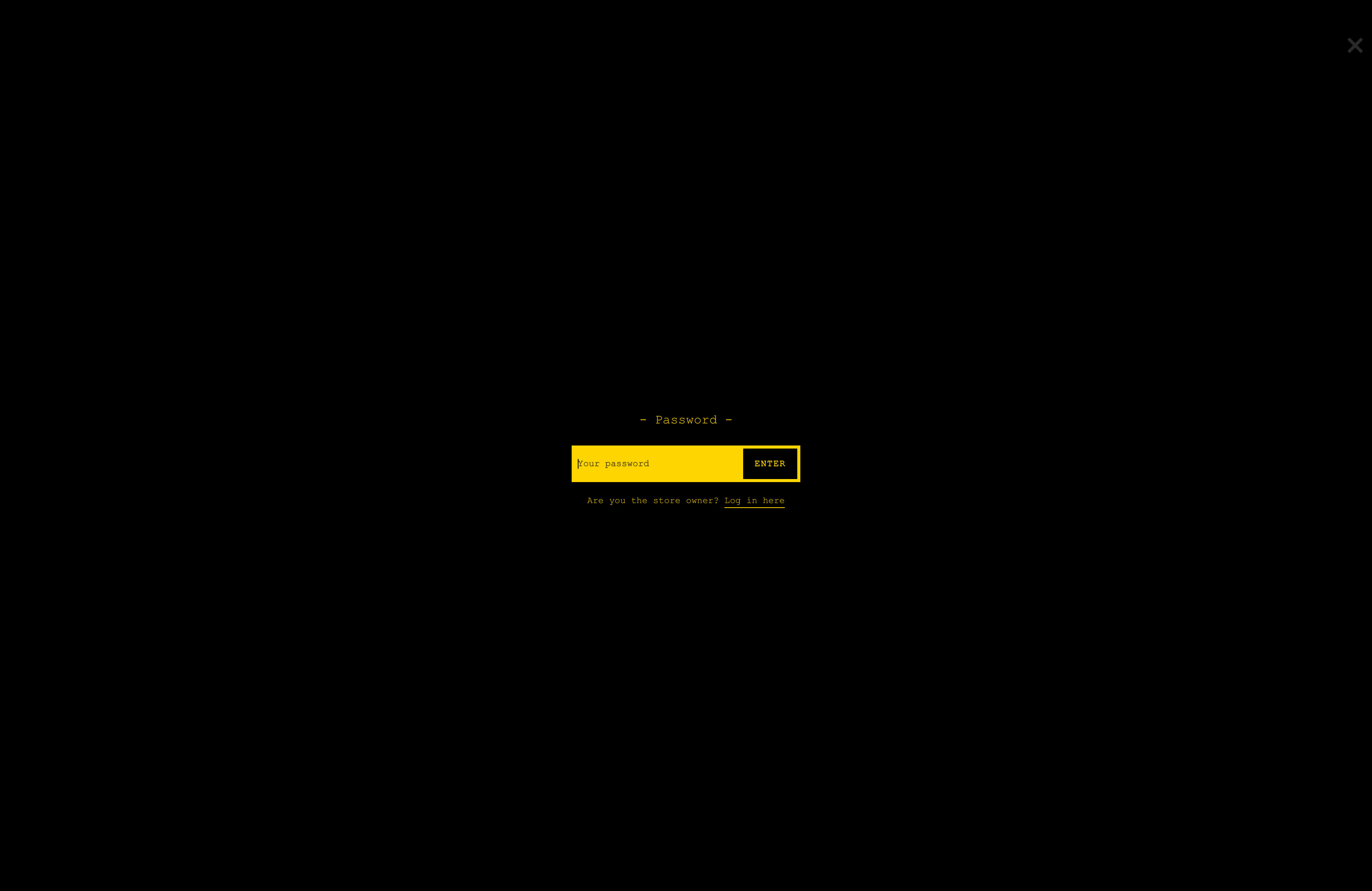
That's why Labeld Studio now lets any brand lock their storefront behind a password.
What it actually does
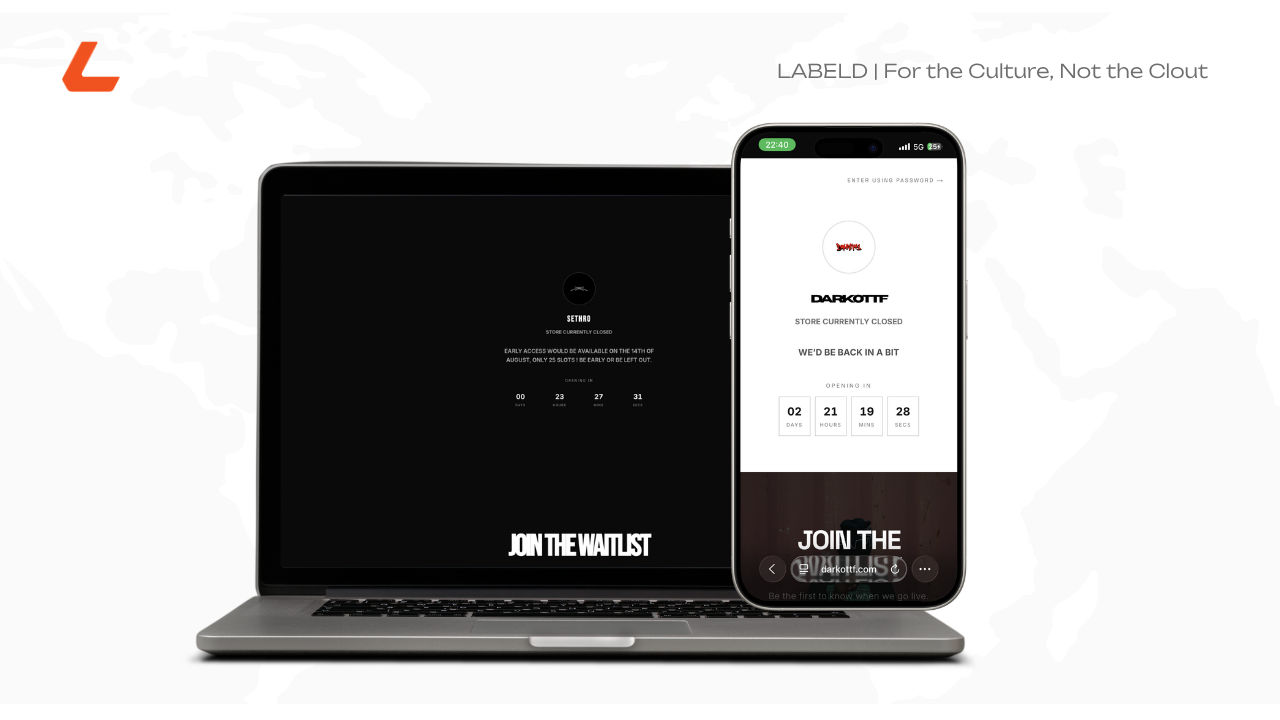
It's simple on the surface. Toggle your store to closed, set a password, and nobody sees a single product until they have it. You control who gets in and when, whether that's a small circle for a soft launch, your mailing list before the public drop, or a password you drop live on Instagram at a set time and watch your DMs explode for the next ten minutes.
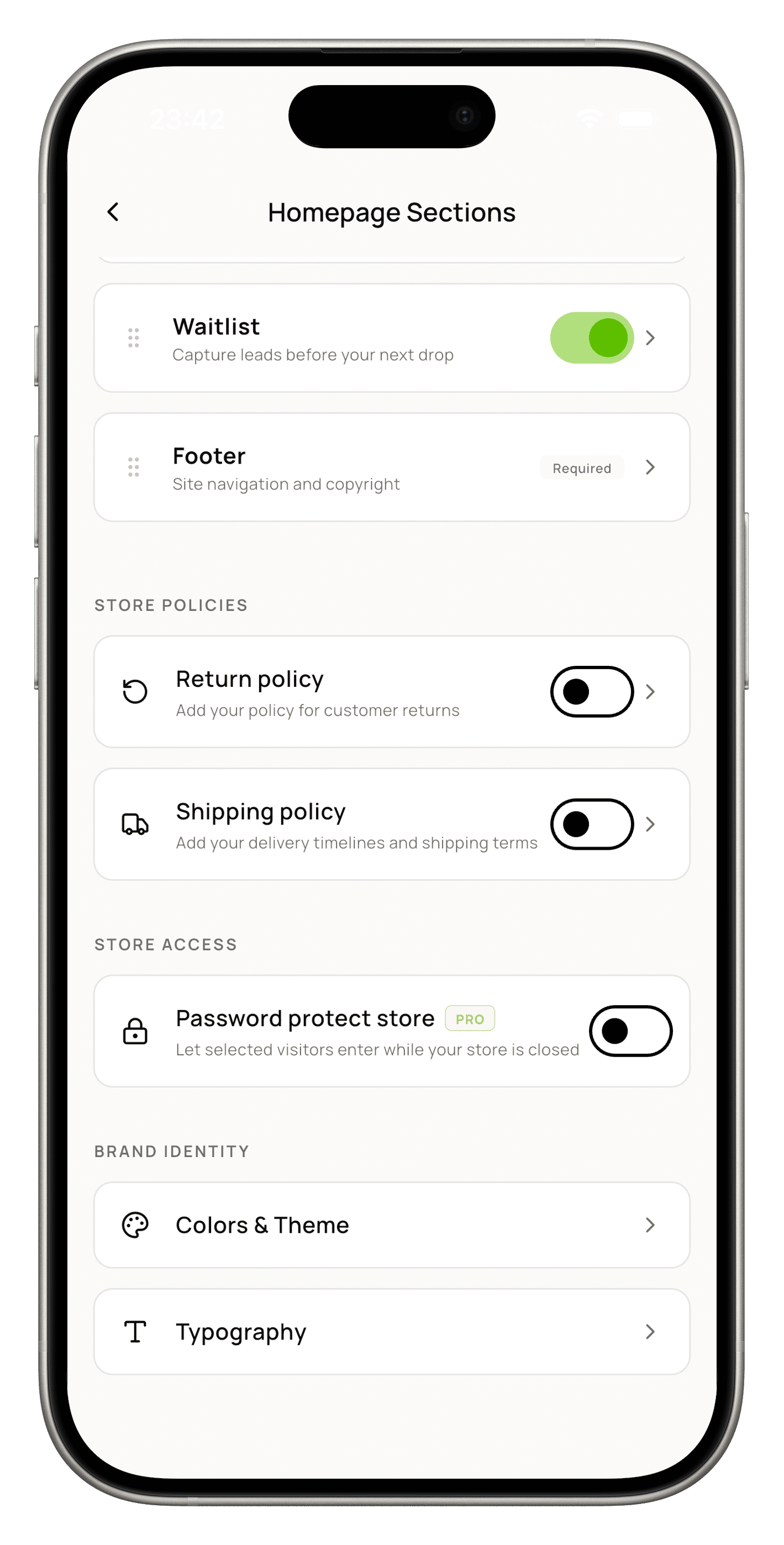
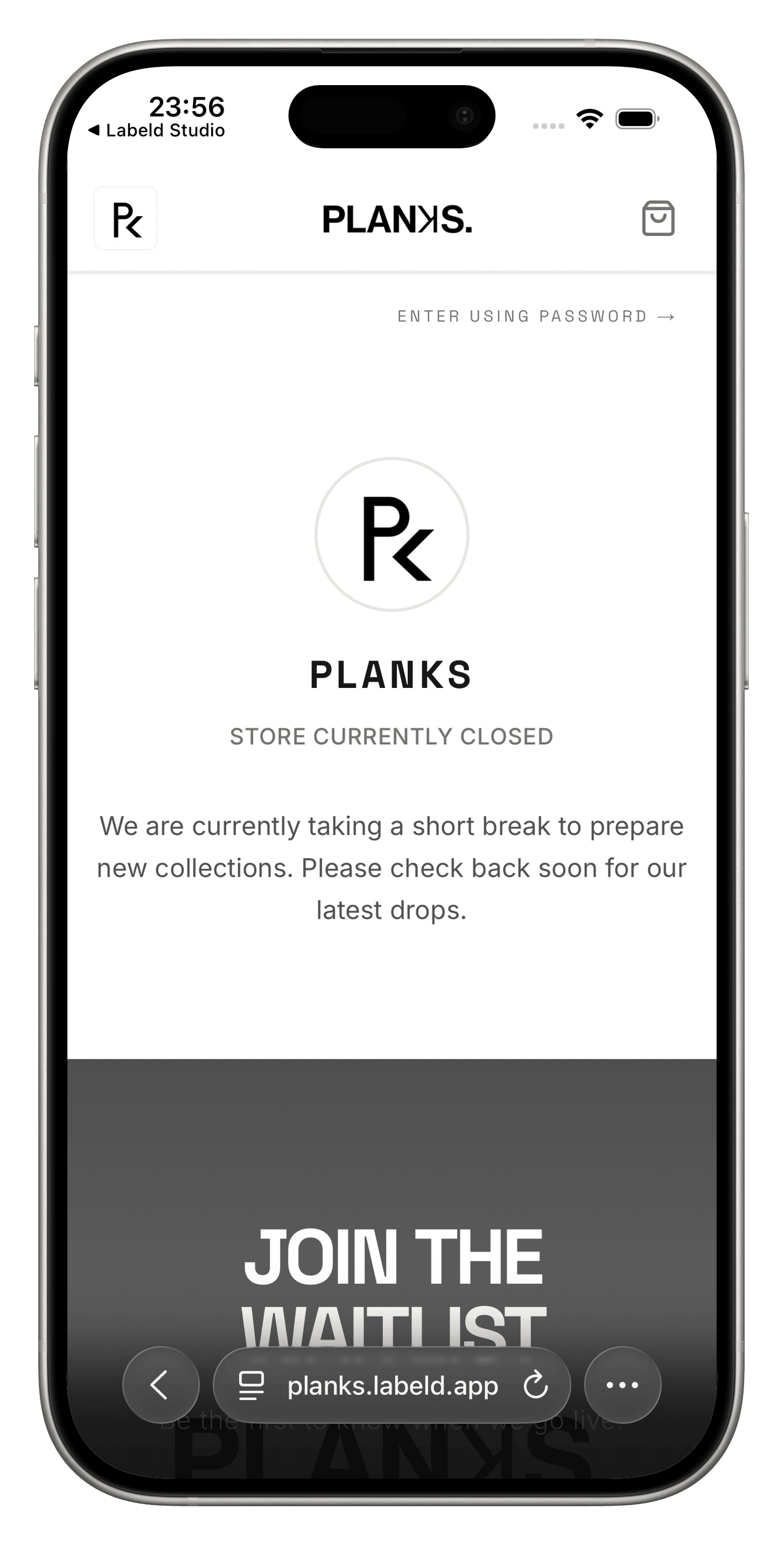
Under the surface, it's doing something more useful than hype. It buys you room to test a drop quietly, fixes weak links in a checkout flow before the whole timeline sees it, and rewards the people who actually follow you closely instead of treating every customer the same.
Why brands are already using it this way
You don't need to be Corteiz-sized to make this work. Small streetwear collectives are already running the same play. Popwave, the Abuja-based streetwear brand that's been building since 2019, understands the same thing Clint419 does: in a market where everyone can post a product photo, the brands that make people feel like they earned access are the ones people talk about. A locked store turns a purchase into a small story worth telling. That's free marketing no ad budget can buy.
The mechanic also solves a real Nigerian problem. A lot of drops die from being too available too early: the product's up, the DMs are slow, the moment fizzles before it builds any heat. Locking the store forces a start line. Everyone shows up at once, urgency does the rest, and a mid-size drop can feel like an event instead of a restock.
How to actually run one without it falling flat
Scarcity only works if it's real. If you say something's limited and it isn't, or the "exclusive" password ends up posted everywhere with zero effort required, people notice, and the trust costs more than the hype was worth. A few things separate a locked drop that works from one that just annoys people:
Give the password a real reason to exist. A newsletter signup, a follow, a small challenge tied to the drop. Corteiz built entire scavenger hunts around this. You don't need one that elaborate, but the password shouldn't just leak into every group chat in the first ten seconds with no effort behind it.
Announce the unlock time and hold it. The countdown is doing half the work. If the store opens whenever you feel like it, you lose the tension that made people show up in the first place.
Actually have enough stock to make it worth the wait, but not so much that the first fifty buyers empty it in ninety seconds and everyone else feels cheated. That balance is the whole game.
Follow it with something. A locked drop that goes quiet afterward wastes the attention it built. Post the sell-through, thank the people who got in, and start building anticipation for the next one immediately.
The bigger point
A site that's open to everyone all the time doesn't feel like anything. A storefront you have to earn your way into does. That's the entire logic behind drop culture, and it's now something any brand on Labeld Studio can run without stitching together a separate landing page, a countdown plugin, and a prayer.
Set the password. Drop the clue on the Labeld app or your Instagram. Watch who actually shows up.
Ready to run your first locked drop? Set it up on Labeld Studio.
The newsletter for
brand builders.
Guides, drops, and dispatches from Labeld — in your inbox, no noise.
Start your brand
for the culture.
Launch drops, manage events, and run your storefront from one place with Labeld Studio.
Get started